
Introduction: My Experience With Chimichurri Seasoning
The first time I made Chimichurri Seasoning, I was looking for something simple yet powerful to elevate grilled vegetables and proteins without relying on heavy sauces. I wanted a recipe that felt fresh, balanced, and versatile enough to use across different meals. From the very first taste, I understood why this seasoning is so beloved. The combination of fresh herbs, garlic, olive oil, and acidity created an explosion of flavor that instantly made even the simplest dish feel special.
What I personally love about Chimichurri Seasoning is how quickly it comes together and how adaptable it is. I’ve used it with grilled chicken, roasted vegetables, grain bowls, and even as a dip for bread. Each time, it delivers brightness, depth, and freshness without overpowering the food. Over time, this seasoning became a staple in my kitchen, especially when I want maximum flavor with minimal effort.
Table of Contents
What Is Chimichurri Seasoning?
Chimichurri Seasoning is a fresh, herb-based mixture traditionally used to enhance grilled foods. It is uncooked and relies on high-quality ingredients to deliver its signature bold and vibrant taste. While often described as a sauce, chimichurri also functions perfectly as a seasoning because it coats, marinates, and finishes food with intense flavor.
The base of chimichurri consists of parsley, garlic, olive oil, vinegar, and dried herbs, with optional spices to add warmth or heat. The result is a seasoning that is tangy, herbaceous, slightly spicy, and deeply aromatic. Unlike creamy sauces, chimichurri feels light and refreshing, making it suitable for both rich and delicate dishes.
The Flavor Profile of This Seasoning
One of the reasons Chimichurri Seasoning stands out is its perfectly balanced flavor profile. Every ingredient plays a specific role:
- Fresh herbs bring brightness and color
- Garlic adds sharpness and depth
- Olive oil provides richness and smooth texture
- Vinegar introduces acidity that cuts through fat
- Spices add warmth and complexity
Together, these elements create a seasoning that enhances food rather than masking its natural taste. The flavor is bold but clean, making chimichurri ideal for everyday cooking as well as special meals.
Essential Ingredients for Chimichurri Seasoning
Making this Seasoning requires simple, accessible ingredients, but freshness is key. High-quality components make a noticeable difference in the final result.
Fresh parsley is the foundation of the seasoning, giving it its vibrant green color and fresh herbal taste. Garlic adds intensity and character, while extra-virgin olive oil acts as the carrier that brings all the flavors together. Vinegar provides the necessary acidity that keeps the seasoning lively and balanced.
Dried oregano contributes an earthy note, while red pepper flakes add a subtle heat that can be adjusted to taste. Smoked paprika is optional but adds depth and a gentle smoky undertone. Salt is essential for enhancing and unifying all the flavors.

How to Make Chimichurri Seasoning
One of the biggest advantages of Chimichurri Seasoning is how easy it is to prepare. There is no cooking involved, which preserves the freshness of the ingredients.
Start by whisking together olive oil, vinegar, minced garlic, salt, dried oregano, red pepper flakes, and smoked paprika in a bowl. This step allows the flavors to begin blending before the herbs are added. Next, stir in finely chopped fresh parsley until evenly distributed throughout the mixture.
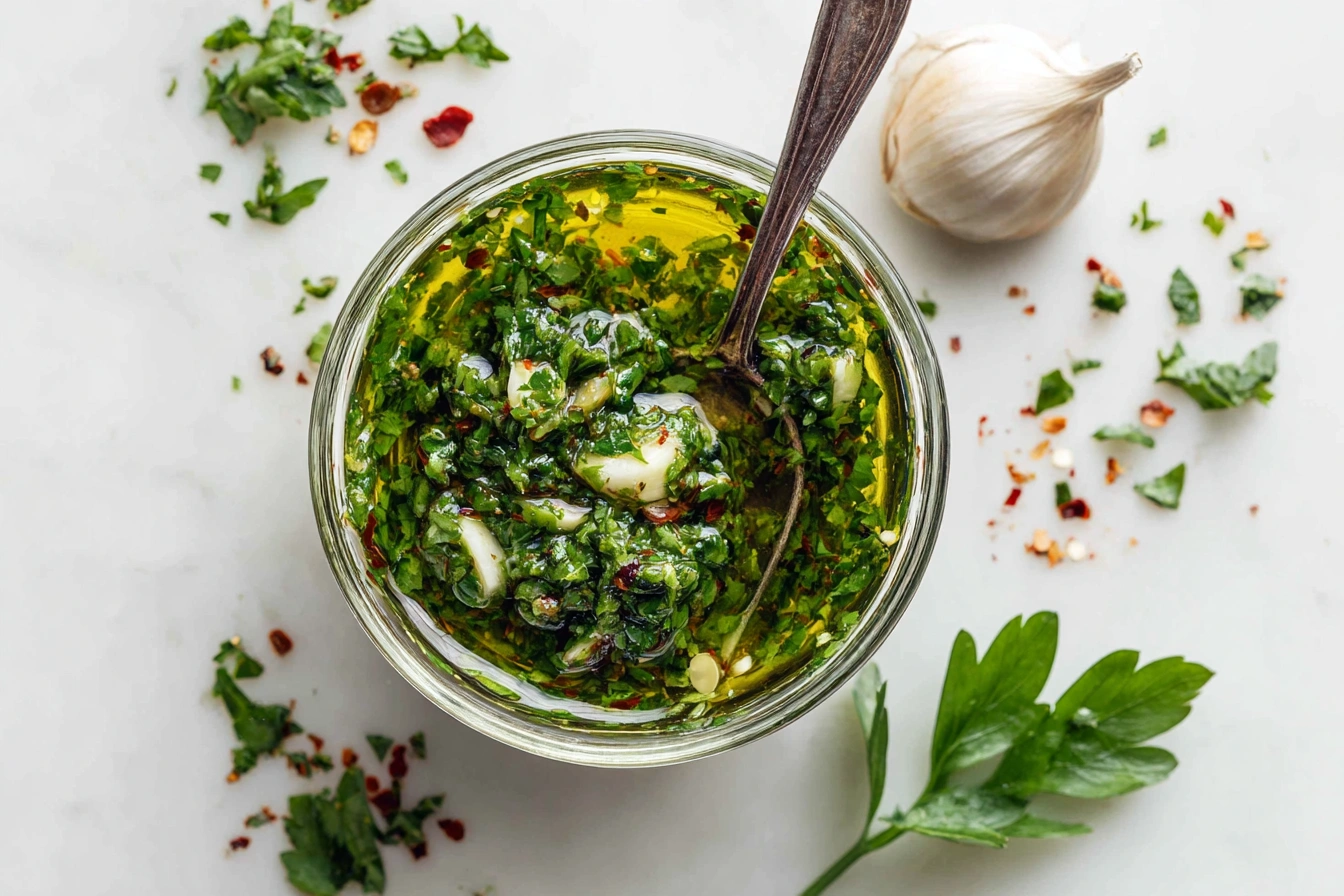
Taste the seasoning and adjust the salt or acidity as needed. The final texture should be slightly loose, spoonable, and glossy, with visible pieces of herbs and garlic. Once mixed, the seasoning is ready to use immediately.

How Chimichurri Seasoning Enhances Different Dishes
Chimichurri Seasoning is incredibly versatile and can be used in many ways beyond its traditional pairing with grilled meats.
Grilled and Roasted Foods
Chimichurri is famously paired with grilled steak, but it works just as well with chicken, lamb, fish, and shrimp. Spoon it over hot food just before serving to allow the warmth to release its aromas. It also pairs beautifully with roasted vegetables like potatoes, carrots, zucchini, and cauliflower.

Vegetarian and Plant-Based Meals
For vegetarian dishes, Chimichurri Seasoning adds complexity and freshness. It enhances grilled tofu, roasted chickpeas, lentils, and vegetable skewers. It can also be mixed into grain bowls with quinoa, rice, or farro to add brightness and depth.
Salads, Bowls, and Light Dishes
Chimichurri can double as a dressing when slightly thinned with extra vinegar or lemon juice. Toss it with fresh salads, bean salads, or pasta salads for a bold, herb-forward flavor. It also works well drizzled over eggs, avocado toast, or roasted sweet potatoes.
Dips, Spreads, and Marinades
Use Chimichurri Seasoning as a dipping sauce for bread or as a spread for sandwiches and wraps. It also makes an excellent marinade, as the acidity helps tenderize proteins while infusing them with flavor.
Tips for Perfect Chimichurri Seasoning
To get the best results, always use fresh parsley rather than dried. Chop the herbs finely but not into a paste to preserve texture. Allow the seasoning to rest for 10–15 minutes before serving so the flavors can fully develop.
If storing the seasoning, keep it in an airtight container in the refrigerator. While it is best enjoyed fresh, it can be stored for up to four days. Bring it back to room temperature before serving to restore its full flavor.
Why Chimichurri Seasoning Belongs in Your Kitchen
Chimichurri Seasoning is more than just a recipe—it is a technique for adding freshness, balance, and intensity to everyday meals. It requires minimal time, simple ingredients, and no cooking, yet delivers restaurant-quality flavor.
From my own experience, once you start using chimichurri regularly, it becomes difficult to imagine cooking without it. It elevates basic dishes, encourages creativity in the kitchen, and brings a vibrant, fresh element to any meal. Whether you are grilling, roasting, or assembling a quick bowl, chimichurri is a seasoning that never disappoints.
Frequently Asked Questions
What is chimichurri seasoning?
Chimichurri Seasoning is a fresh, herb-based seasoning traditionally used to enhance grilled meats and vegetables. It is made without cooking and combines herbs, garlic, oil, vinegar, and spices to create a bold, tangy, and aromatic flavor. Unlike dry spice blends, chimichurri seasoning is moist and vibrant, offering both freshness and depth to a wide variety of dishes.
What is chimichurri made of?
Chimichurri is typically made from fresh parsley, garlic, olive oil, vinegar, dried oregano, salt, and red pepper flakes. Some variations also include smoked paprika or other herbs for added complexity. These ingredients work together to create a balanced seasoning that is herbaceous, slightly spicy, and pleasantly acidic.
What seasoning is similar to chimichurri?
Seasonings similar to chimichurri include pesto, salsa verde, and herb vinaigrettes. While pesto is richer and usually contains nuts and cheese, chimichurri is lighter and more acidic. Salsa verde shares a fresh herb profile but often includes capers or anchovies. Chimichurri seasoning stands out for its simplicity, bold garlic flavor, and vinegar-based brightness.
Where to use chimichurri seasoning?
Chimichurri Seasoning can be used on grilled or roasted meats, fish, chicken, and seafood. It is also excellent with roasted vegetables, grain bowls, salads, eggs, and sandwiches. Additionally, it works well as a marinade, dipping sauce, or finishing drizzle, making it one of the most versatile seasonings to keep in your kitchen.
Take a look to other recipes in our Sitweb like Pistachio Paste